
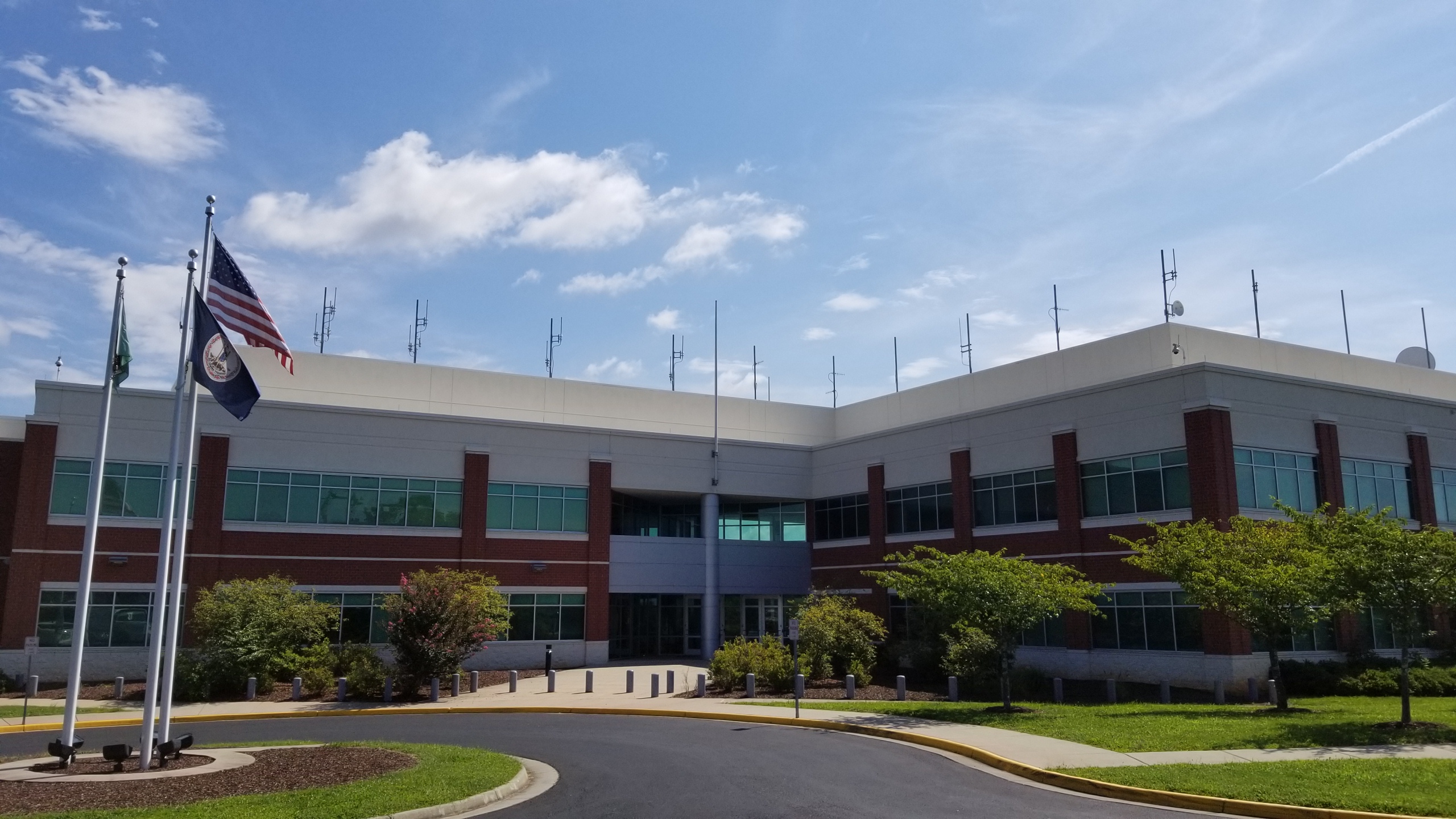
Roof Capital Planning Tampa
Commercial roof capital planning for Tampa Bay building owners and property managers - five-year replacement schedules, FBC HVHZ-compliant scope cost modeling, post-hurricane demand cost factors, and multi-building portfolio prioritization across Hillsborough County.
Roof capital planning in Tampa Bay requires cost assumptions that account for FBC HVHZ-compliant assembly pricing, post-hurricane material and labor demand volatility, and replacement timelines that can be compressed by storm events. Generic five-year CapEx templates built on national average replacement costs understate the actual cost profile for a Hillsborough County commercial portfolio.
The capital planning conversation for a Tampa Bay commercial roof portfolio is different from any other market because the cost inputs are different and the timing risk is different. FBC HVHZ-compliant assembly replacement costs more than standard IBC-spec replacement - the NOA-approved products, the engineered fastener patterns, the coastal-spec flashing materials, and the compliance documentation all carry cost premium over what a generic replacement scope would produce. And the Hillsborough County material and labor market pricing is subject to post-hurricane demand volatility that can move the actual project cost 15 to 25 percent above the pre-storm planning assumption within six months of a major event.
I provide roof capital planning services for Tampa Bay commercial building owners, property managers, and institutional asset managers operating Hillsborough and Pinellas County portfolios. The deliverable is a five-year capital plan that accounts for current building condition, Tampa Bay-specific replacement cost assumptions, the FBC HVHZ compliance requirements for each building's coastal exposure classification, and a replacement priority ranking across a multi-building portfolio based on condition severity, warranty status, and insurance documentation risk.
The plan is built from actual field inspections - not from table-driven estimates based on roof age and membrane type. A Westshore Class A office building that has been on a documented annual inspection and maintenance program since installation may have a roof in substantially better condition than its age would suggest. A Ybor City commercial building that has been under-maintained for a decade may need replacement significantly ahead of what its installation date implies. The plan reflects what is actually there.
FBC HVHZ-Compliant Replacement Cost Modeling
The cost premium for FBC HVHZ-compliant replacement over standard commercial roofing replacement in the Tampa Bay market comes from several specific line items. Miami-Dade NOA-approved membrane products carry a small premium over non-NOA-approved equivalents because the tested product approval process adds manufacturer cost that is passed through in product pricing. The engineered fastener pattern at perimeter and corner zones increases the total fastener count and the labor time to install compared to a uniform field pattern. Coastal-spec flashing materials - stainless termination bar, lead or stainless drain bodies, copper or stainless scuppers - carry a significant premium over standard galvanized or aluminum alternatives.
The compliance documentation package - the NOA compliance record, the ASCE 7 design pressure calculation, the roof zone diagram with fastener pattern certification, and the manufacturer warranty closeout - adds a project management cost that generic replacement scopes do not include. For buildings where this documentation does not exist from a prior installation, the cost of producing it from scratch on the new installation is modest relative to the total project cost; the cost of reconstructing it retroactively for a prior installation that skipped the closeout package is substantially higher.
My capital planning cost model for Tampa Bay portfolios uses current Hillsborough County material and labor pricing, updated quarterly, for the standard 60-mil TPO mechanically attached HVHZ-compliant assembly as the baseline. Alternative assembly types - fully adhered TPO, EPDM, PVC, modified bitumen - are modeled against the baseline with percentage adjustments derived from current market pricing for those assemblies. The storm-demand cost factor is applied as a scenario in any year within 18 months of a projected hurricane season, based on the historical post-storm demand increase pattern documented in the post-Ian (2022) and post-Milton (2024) market cycles.
Multi-Building Priority Ranking for Hillsborough County Portfolios
A five-year capital plan for a portfolio of Hillsborough County commercial buildings needs a priority ranking that determines the replacement sequence - which buildings get done in years one and two, which can be managed with maintenance investment in years three and four, and which are candidates for one additional maintenance cycle beyond the five-year window. The ranking criteria I use are specific to Tampa Bay: condition severity rating from the most recent inspection, remaining warranty term, FBC HVHZ compliance documentation status, post-storm assessment findings from the 2022 through 2024 hurricane seasons, and the insurance documentation risk profile.
Buildings with active storm damage findings - perimeter zone fastener back-out, membrane uplift signatures, undocumented emergency repairs - rank highest for capital replacement regardless of age, because the risk of a warranty void and an insurance coverage dispute at the next storm event is an immediate financial risk, not a deferred maintenance risk. Buildings with intact warranties, documented HVHZ compliance, and clean post-storm assessment records rank lower and can tolerate deferral if condition ratings are not critical.
The priority ranking drives the capital budget allocation across the five-year plan: years one and two are funded for the highest-priority replacements, years three and four for the next tier with maintenance investment keeping lower-priority buildings in service, and year five for buildings that were in good condition at plan start and are projected to remain in service with maintenance. The plan is reviewed and updated annually as inspection results, storm events, and market pricing change the priority ranking and cost assumptions.
Roof review
Get a written Tampa Bay commercial roof scope.
We document the roof condition, separate urgent repairs from capital work, and give ownership a practical path before money gets spent.