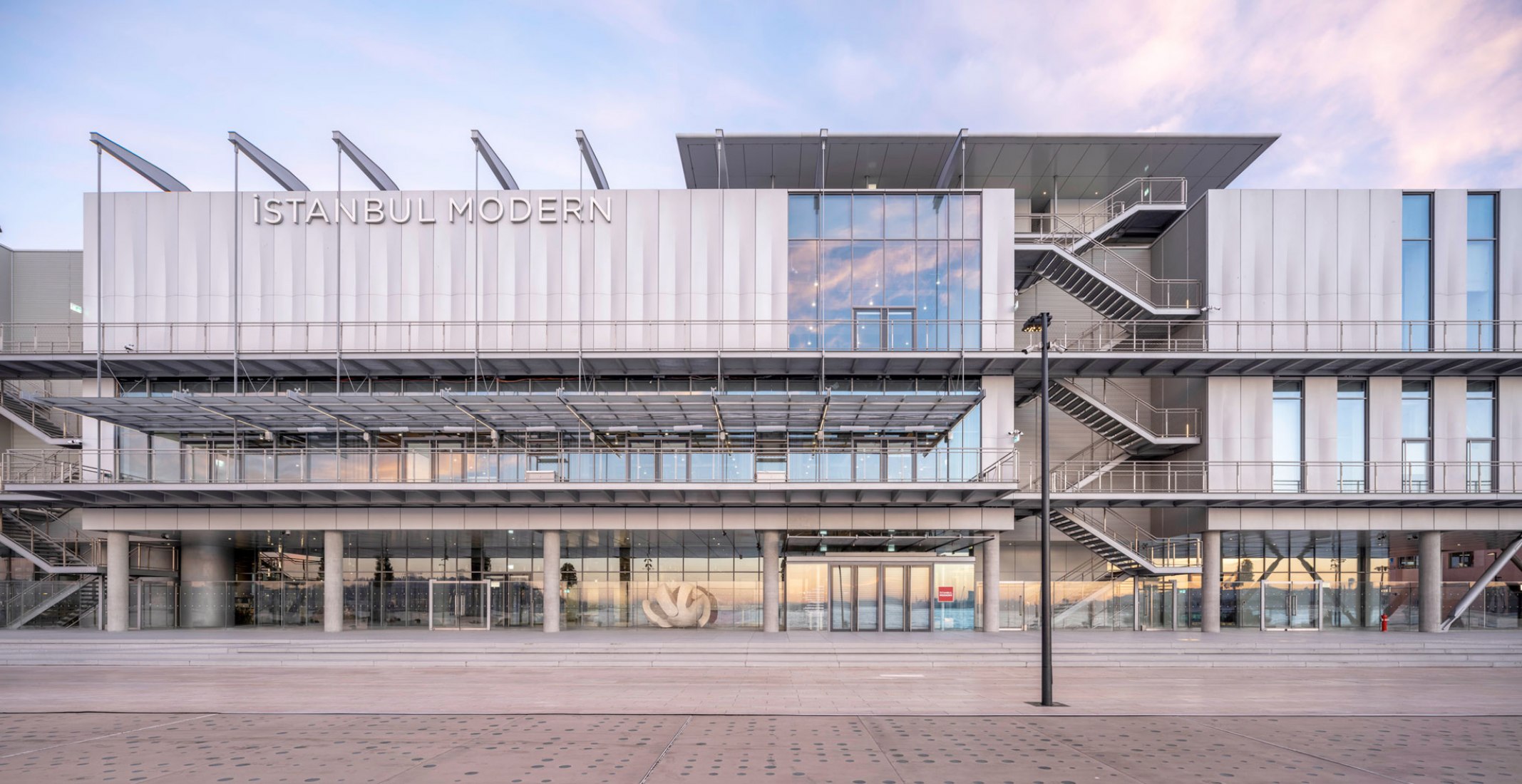
Museum & Cultural Facility Roofing
Commercial roofing for museum & cultural facility roofing in Tampa, FL - specifications, scheduling, and project coordination for this building type.
Tampa's commercial market spans the I-4 and I-75 industrial belts, the Channelside and Ybor City redevelopment zones, the Westshore business district, and the Brandon and Wesley Chapel suburban employment areas. Museums and cultural institutions in this market require roofing specifications that protect collections from even low-rate moisture infiltration - the standard for museum envelope performance is zero-tolerance, and the phasing, temporary protection, and skylight coordination requirements that achieve that standard are fundamentally different from standard commercial roofing practice.
Museum and cultural institution roofing in Tampa requires a contractor who understands that the building exists to protect things that can never be replaced. That understanding should be evident in the first pre-construction conversation - in how the contractor asks about the collection's climate requirements, in whether they've thought about the temporary weather protection budget before discussing price, and in whether they know what SHPO review involves without being told. A contractor who approaches a museum the same way they approach a warehouse has misunderstood the assignment. Ask your prospective contractors what their experience with cultural institution or museum roofing has been. Then call the museum's facilities director at each project they name.
The pre-construction process for a qualified museum roofing contractor in Tampa involves multiple institutional stakeholders that standard commercial projects don't have: the curatorial team, the registrar (for loan exhibit calendar information), the conservation director (for climate sensitivity requirements), the development department (for capital campaign documentation needs), and the building's architect of record (for historic buildings with preservation review requirements). A contractor who conducts pre-construction planning exclusively with the facilities manager is missing stakeholder input that directly affects the phase plan and the documentation package. We structure pre-construction meetings to include every institutional stakeholder whose knowledge affects the construction approach.
Historic preservation experience is the highest-value technical credential for museum roofing in Tampa's civic landscape, where many of the most significant cultural institutions occupy designated historic buildings. Working knowledge of the Secretary of the Interior's Standards for Rehabilitation, the SHPO review process, and the material sourcing requirements for historically compatible alternatives separates contractors who can work on Tampa's landmark museum buildings from those who cannot. Ask prospective contractors for SHPO project documentation from their last three historic building projects. The quality of that documentation tells you more about their historic preservation experience than any self-reported credential.
Museum & Cultural Facility Roofing - Contractor Selection Questions
Cultural institution roofing experience with museum or library references, not just general institutional references; historic preservation project experience including SHPO documentation packages for their last 2-3 historic building projects; zero-exposure-zone temporary weather protection protocols in writing; a pre-construction stakeholder engagement process that includes curatorial and conservation staff; and manufacturer certification for the proposed system. A contractor who doesn't ask about the collection's climate requirements during the pre-bid walkover hasn't thought about what makes museum roofing different.
A complete museum roofing proposal should include: temporary weather protection specification and budget as a firm-price line item; SHPO review timeline and documentation deliverables for designated buildings; climate boundary assessment protocol post-installation; curatorial and registrar coordination plan for loan exhibit calendar review; phasing plan showing gallery closure sequence with museum operations director input; and a closeout documentation package description confirming that grant, accreditation, and institutional record requirements are covered. A proposal without these elements has not accounted for the museum-specific requirements of the project.
Evaluate the temporary weather protection specification first - this is where the collection protection commitment is most directly expressed. A proposal with a thin temporary protection budget or a "temporary protection as required" line item without a firm price has made an assumption that the museum's collections risk will be accepted to save the contractor contingency cost. Evaluate the SHPO process understanding second: can the contractor describe the review process and timeline correctly? Evaluate the documentation package scope third: does it cover all institutional stakeholder requirements? Price is the last evaluation dimension - among proposals that meet the full scope requirements, the lowest compliant price is the right selection.
Museum re-roofing costs reflect the zero-exposure-zone temporary protection requirement, the multi-stakeholder coordination overhead, and the documentation depth that institutional requirements impose - typically 20-30% above equivalent commercial per-square-foot rates. For historic museum buildings requiring SHPO documentation, add 10-15% for the documentation and preservation specialist coordination. Per-square-foot ranges for standard membrane re-roofing at museum buildings in Tampa run $25-40 per square foot for flat sections; historic roofing restoration (slate, copper, clay tile) is priced project-specifically based on material and labor requirements. A proposal significantly below market range for a museum project warrants a scope review.
For historically designated museum buildings, the architect of record - or a preservation architect if the original architect is no longer active - should be engaged to review the roofing specification for consistency with the building's historic character and to prepare or review the SHPO submittal. For non-historic museum buildings, the architect may be engaged for quality assurance oversight or specification review if the museum's capital improvement program includes architect oversight as a grant or capital program requirement. We welcome architect involvement and include coordination with the architect of record in our standard pre-construction scope for museum projects.
Contact Us
Commercial Roofing Contractors Tampa Tampa, 813-590-7975 estimates@commercialroofingcontractorstampa.com
Roof review
Get a written Tampa Bay commercial roof scope.
We document the roof condition, separate urgent repairs from capital work, and give ownership a practical path before money gets spent.